




Table of Contents
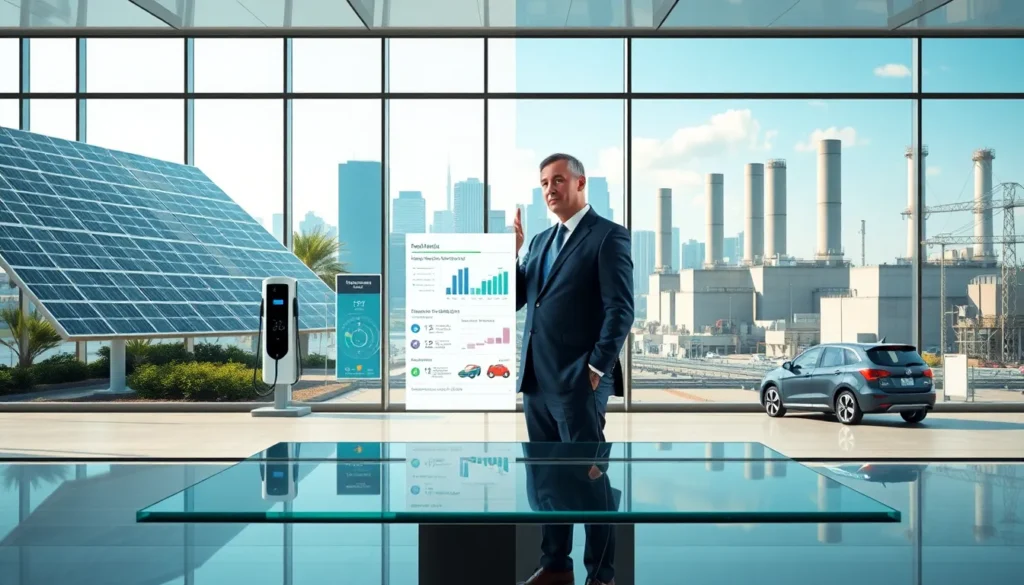
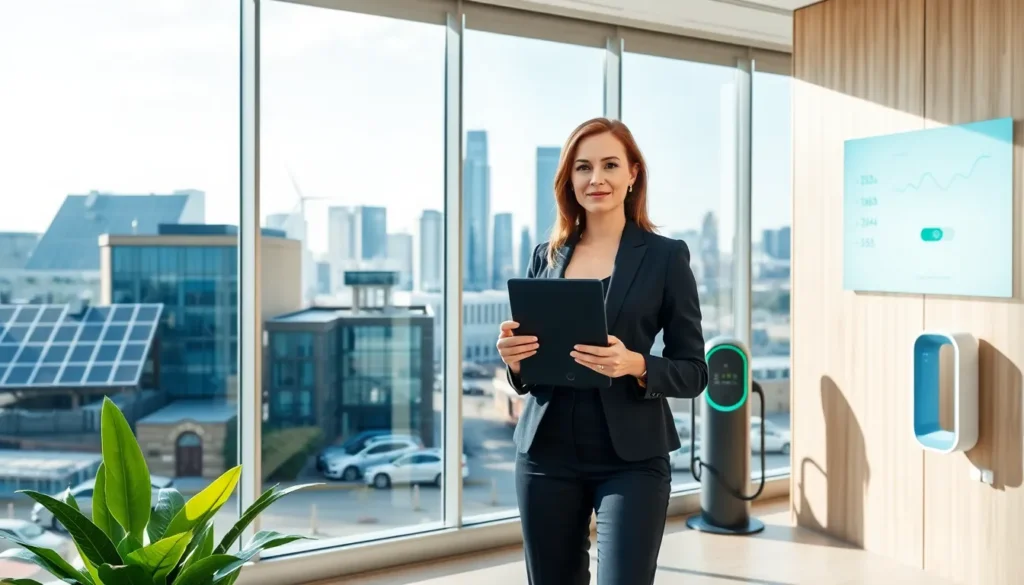
ToggleTop sustainable technology is reshaping industries, cities, and daily life in 2025. From solar panels on rooftops to electric cars on highways, green innovations are no longer future concepts, they’re present realities. Governments, corporations, and individuals are investing billions into solutions that reduce carbon emissions and protect natural resources.
This shift matters. Climate change continues to threaten ecosystems and economies worldwide. Sustainable technology offers practical answers to these challenges. It creates jobs, lowers energy costs, and builds resilience against environmental disruptions.
This article explores the most impactful sustainable technologies driving change right now. Each section covers a specific area, renewable energy, transportation, energy storage, construction, and carbon management. These innovations represent real progress toward a cleaner, more efficient world.
Key Takeaways
- Top sustainable technology in 2025 spans renewable energy, electric vehicles, smart grids, green building, and carbon capture—all delivering measurable environmental and economic benefits.
- New perovskite solar cells now exceed 30% efficiency, significantly outperforming traditional silicon panels and enabling smaller installations to generate more power.
- Electric vehicle sales surpassed 17 million units in 2024, with solid-state batteries and expanded charging infrastructure driving continued growth.
- Smart grids powered by AI balance energy supply and demand in real time, while storage solutions like lithium-ion and iron-air batteries address renewable energy intermittency.
- Green building practices, including mass timber construction and smart systems, can reduce energy consumption by up to 30% and help cut the construction industry’s 40% share of global emissions.
- Carbon capture technology, from direct air capture to point-source systems, offers solutions for hard-to-decarbonize industries while creating new products from captured CO2.
Renewable Energy Innovations
Renewable energy stands at the forefront of sustainable technology advancements. Solar and wind power generation reached record levels in 2024, and 2025 is pushing those numbers even higher.
Solar panel efficiency has improved dramatically. New perovskite solar cells now convert over 30% of sunlight into electricity. Traditional silicon panels typically achieve 20-22% efficiency. This jump means smaller installations can produce more power.
Offshore wind farms are expanding rapidly across coastal regions. Floating turbine technology allows placement in deeper waters where winds blow stronger and more consistently. Denmark, the UK, and several US states have approved major offshore projects scheduled for completion by 2027.
Hydrogen fuel production using renewable electricity is gaining momentum. Green hydrogen, made by splitting water with solar or wind power, offers a clean alternative for heavy industry. Steel manufacturers and shipping companies are testing hydrogen-based processes to cut their carbon footprints.
Geothermal energy is also attracting fresh investment. Enhanced geothermal systems drill deeper into the Earth’s crust to access heat in regions previously considered unsuitable. These systems can provide constant baseload power regardless of weather conditions.
Electric Vehicles and Clean Transportation
Electric vehicles represent one of the most visible forms of sustainable technology on roads today. Global EV sales exceeded 17 million units in 2024. That number is projected to grow by another 25% in 2025.
Battery technology continues to advance. Solid-state batteries promise faster charging times and longer ranges than current lithium-ion options. Several automakers plan to introduce solid-state battery vehicles by late 2025 or early 2026.
Charging infrastructure is expanding to meet demand. Fast-charging stations now line major highways in North America, Europe, and Asia. Some stations deliver enough charge for 200 miles of driving in under 20 minutes.
Beyond personal vehicles, sustainable technology is transforming public transit and freight. Electric buses operate in hundreds of cities worldwide. Electric trucks are entering commercial fleets for local deliveries. Even aviation is seeing progress, electric aircraft completed test flights covering distances up to 500 miles.
Hydrogen fuel cell vehicles offer another clean transportation option. They work especially well for long-haul trucking where battery weight becomes a disadvantage. Japan and South Korea lead in hydrogen vehicle adoption, with refueling networks growing steadily.
Smart Grids and Energy Storage Solutions
Smart grids enable sustainable technology to work at scale. These digital electricity networks balance supply and demand in real time. They integrate power from multiple sources, solar farms, wind turbines, traditional plants, and distribute it efficiently.
Artificial intelligence plays a key role in grid management. AI algorithms predict energy demand patterns and adjust generation accordingly. This reduces waste and prevents blackouts during peak usage periods.
Energy storage solves the intermittency problem that plagues renewable sources. The sun doesn’t always shine. Wind doesn’t always blow. Batteries store excess energy for use when generation drops.
Lithium-ion batteries dominate current storage installations. But, alternatives are emerging. Iron-air batteries offer cheaper long-duration storage. Flow batteries can scale up easily for utility applications. Compressed air storage uses underground caverns to hold energy.
Home battery systems are becoming popular too. Homeowners pair rooftop solar panels with storage units to reduce grid dependence. Some even sell excess power back to utilities during high-demand hours.
Virtual power plants aggregate thousands of small batteries and solar installations into coordinated networks. These systems respond to grid signals automatically, providing stability without building new power plants.
Green Building and Sustainable Materials
Construction accounts for nearly 40% of global carbon emissions. Green building practices aim to slash that figure through better design and sustainable technology.
Mass timber construction is replacing steel and concrete in mid-rise buildings. Engineered wood products like cross-laminated timber store carbon rather than emit it. Several cities have approved timber buildings over 10 stories tall.
Smart building systems optimize energy use automatically. Sensors monitor occupancy, temperature, and lighting levels. They adjust HVAC and electrical systems to minimize waste. Some smart buildings cut energy consumption by 30% compared to conventional structures.
Sustainable materials are gaining market share. Recycled steel requires 75% less energy to produce than virgin steel. Low-carbon concrete formulations use industrial byproducts like fly ash to reduce cement content. Bio-based insulation made from hemp or mycelium offers excellent thermal performance.
Green roofs and walls improve building efficiency while supporting urban biodiversity. Plants absorb heat, reduce stormwater runoff, and filter air pollution. Cities like Singapore mandate green space integration in new developments.
Net-zero buildings generate as much energy as they consume. Solar panels, efficient design, and smart systems make this goal achievable for commercial and residential projects alike.
Carbon Capture and Environmental Monitoring
Carbon capture technology removes CO2 directly from industrial processes or the atmosphere. This sustainable technology addresses emissions that other methods can’t eliminate.
Direct air capture (DAC) facilities are scaling up. These plants use chemical processes to extract carbon dioxide from ambient air. The captured CO2 can be stored underground permanently or converted into useful products like synthetic fuels.
Point-source capture systems attach to factories and power plants. They filter exhaust gases before release. Cement plants and steel mills, hard to decarbonize through other means, benefit most from this approach.
Carbon utilization turns captured CO2 into products. Companies now make building materials, plastics, and even vodka from atmospheric carbon. These applications create economic incentives for capture operations.
Environmental monitoring technology tracks progress and identifies problems. Satellite networks measure greenhouse gas concentrations globally. Ground sensors detect methane leaks from oil and gas operations. Ocean buoys monitor acidification and temperature changes.
AI-powered analysis processes vast amounts of environmental data. Researchers identify deforestation patterns, track wildlife populations, and predict weather extremes. This information guides policy decisions and conservation efforts.