





Table of Contents
ToggleVirtual reality for beginners can feel overwhelming at first glance. Dozens of headsets line store shelves, each promising immersive experiences that blur the line between digital and physical worlds. But here’s the good news: getting started with VR is simpler than most people think.
This guide breaks down everything newcomers need to know. From understanding how VR technology actually works to picking the right headset for a first purchase, the following sections cover practical steps anyone can follow. Whether someone wants to explore virtual worlds, play immersive games, or use VR for fitness, they’ll find actionable advice here.
Key Takeaways
- Virtual reality for beginners is easier than it seems—standalone headsets like the Meta Quest 3 work right out of the box without needing a PC.
- VR technology uses dual screens, motion tracking, and spatial audio to create immersive 360-degree environments that respond to your movements.
- Start with beginner-friendly apps like Beat Saber, Superhot VR, or Google Earth VR to ease into the experience comfortably.
- Limit your first VR sessions to 15–20 minutes and choose stationary experiences to avoid motion sickness.
- Keep a fan running, stay hydrated, and stop immediately if you feel dizzy—your tolerance will improve with regular short sessions.
- Clear your physical space and adjust your headset properly for a safe, sharp, and comfortable virtual reality experience.
What Is Virtual Reality and How Does It Work?
Virtual reality creates computer-generated environments that users can explore and interact with. When someone puts on a VR headset, they see a 360-degree digital world that responds to their movements. Turn your head left, and the virtual scene shifts left. Reach out your hand, and virtual objects react.
The technology behind VR relies on a few key components working together. Headsets contain two small screens, one for each eye, positioned close to the face. These screens display slightly different images that the brain combines into a single 3D picture. This mimics how human eyes naturally perceive depth.
Motion tracking is what makes VR feel real. Sensors inside the headset detect head movements dozens of times per second. More advanced systems also track hand positions using controllers or built-in cameras. Some setups even monitor full-body movement through external sensors placed around a room.
Audio plays a critical role too. Spatial sound changes based on where virtual objects are located. A bird chirping behind someone will sound different than one overhead. This audio positioning strengthens the sense of presence, that feeling of actually being inside the virtual space.
Virtual reality for beginners often starts with simpler experiences. Many first-time users try passive content like 360-degree videos or virtual tours. These require less interaction and help people adjust to the sensation of VR before jumping into games or interactive applications.
Essential VR Hardware You Need to Get Started
Getting into VR requires choosing the right hardware for individual needs and budgets. The headset is the most important piece of equipment, but controllers and sometimes a capable computer also factor into the decision.
Standalone Headsets vs. PC-Connected Systems
Standalone headsets offer the easiest entry point for virtual reality for beginners. These devices contain all necessary computing power inside the headset itself. No external computer or phone required. The Meta Quest 3 is currently the most popular standalone option, offering solid graphics, a large app library, and wireless freedom. Users can simply charge the device, put it on, and start exploring.
PC-connected systems deliver higher visual quality but cost more and require additional equipment. Headsets like the Valve Index or HP Reverb G2 plug into gaming computers. The PC handles all graphics processing, which allows for more detailed environments and smoother performance. But, buyers need a computer with a powerful graphics card, often a $1,000+ investment on its own.
For most beginners, standalone headsets make the most sense. They cost between $300-$500 and work right out of the box. PC-connected setups appeal more to enthusiasts who already own gaming computers or want the absolute best visual fidelity.
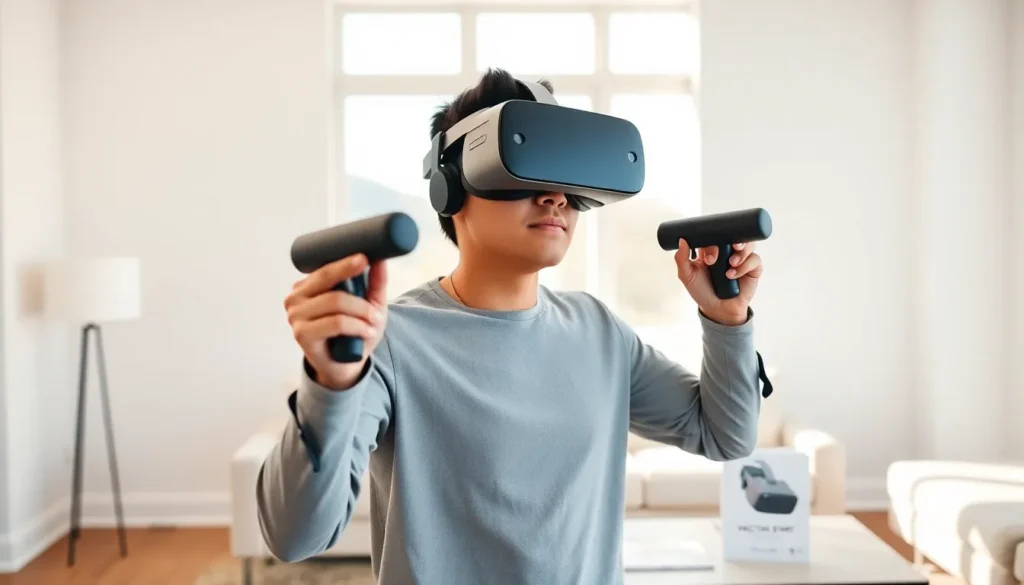
Controllers come bundled with most headsets. These handheld devices track hand movements and provide buttons for interacting with virtual objects. Some newer headsets also support hand tracking without controllers, using cameras to follow finger movements directly.
A few optional accessories can improve the experience. Replacement face cushions help with comfort during longer sessions. Prescription lens inserts let glasses-wearers use VR without frames pressing against their face. And extended battery packs add hours of playtime to standalone devices.
Top Beginner-Friendly VR Experiences and Apps
Choosing what to do first matters almost as much as picking hardware. Virtual reality for beginners works best when people start with comfortable, engaging experiences before trying intense games.
Beat Saber remains the go-to recommendation for newcomers. Players slash colored blocks with virtual lightsabers in time with music. The gameplay is intuitive, physically active, and rarely causes motion discomfort. It’s also genuinely fun for all skill levels.
Superhot VR offers a unique action experience where time moves only when the player moves. This slow-motion mechanic gives beginners time to think and react without feeling overwhelmed. The minimalist graphics also help reduce any potential nausea.
Google Earth VR lets users fly around the planet and explore cities, landmarks, and natural wonders from above. It’s free, educational, and perfect for showing VR to friends and family who might be skeptical about the technology.
Job Simulator provides a humorous introduction to VR interaction. Players perform silly tasks in an office, kitchen, or convenience store, learning how to grab, throw, and manipulate virtual objects along the way.
National Geographic Explore VR takes users kayaking through icy Antarctic waters or climbing Machu Picchu. These guided adventures offer stunning visuals and gentle pacing that works well for VR newcomers.
Free experiences like First Steps (included with Meta Quest devices) teach basic controls through playful tutorials. Starting here before purchasing games helps users understand what VR can do.
Tips for a Comfortable First VR Session
Motion sickness affects some VR newcomers, but a few precautions can minimize or prevent discomfort entirely. Following these tips helps ensure virtual reality for beginners stays enjoyable rather than nauseating.
Start with short sessions. Fifteen to twenty minutes is plenty for a first experience. Even if everything feels fine, the brain needs time to adjust to VR. Gradually increase session length over several days.
Choose stationary experiences first. Games where the player stands still while the virtual world moves tend to cause more discomfort. Begin with apps that keep virtual movement minimal, like Beat Saber or Job Simulator.
Keep a fan running nearby. Airflow across the face helps the brain recognize the physical environment. This sensory cue reduces confusion between what the eyes see and what the body feels.
Stay hydrated and avoid heavy meals. An empty stomach or dehydration can worsen motion sensitivity. Drink water before playing and skip VR right after eating.
Adjust the headset properly. A blurry image strains the eyes and contributes to discomfort. Take time to position the lenses correctly and tighten straps until the display looks sharp.
Stop at the first sign of dizziness. Pushing through discomfort only makes things worse. If queasiness starts, remove the headset immediately and take a break. Most people find their tolerance improves with regular short sessions.
Clear physical space. Before starting, move furniture and obstacles out of the play area. VR makes users forget where walls and tables are located. Most headsets include boundary systems that display warnings when approaching real-world obstacles.