




Table of Contents
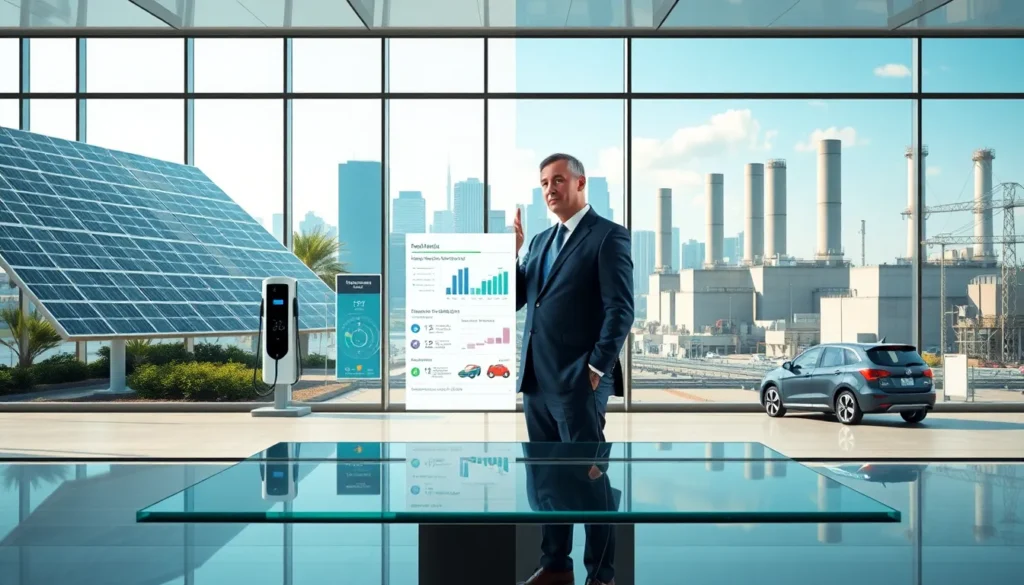
ToggleThe best sustainable technology offers practical solutions for reducing environmental impact while saving money. From solar panels to electric vehicles, these innovations help consumers and businesses cut carbon emissions and energy costs. Sustainable technology now covers nearly every aspect of daily life. Smart thermostats optimize heating and cooling. Electric cars eliminate tailpipe emissions. Solar systems generate clean electricity for decades. This guide explores the top sustainable technologies available today. It explains how each option works, what benefits it provides, and how to select the right solution for specific needs.
Key Takeaways
- The best sustainable technology reduces environmental impact while saving money through solutions like solar panels, electric vehicles, and smart home devices.
- Solar power costs have dropped nearly 70% since 2010, with federal tax credits covering 30% of installation costs through 2032.
- Electric vehicles cost roughly $0.04 per mile to operate compared to $0.12 for gasoline cars, plus they require significantly less maintenance.
- Smart thermostats, LED lighting, and ENERGY STAR appliances can reduce home energy costs by 10–75% depending on the upgrade.
- Start with low-cost sustainable technology like LED bulbs and smart power strips, then scale up to larger investments like solar systems or EVs.
- Choosing the best sustainable technology requires matching solutions to your lifestyle, calculating ROI with available incentives, and prioritizing quality products with strong warranties.
What Is Sustainable Technology?
Sustainable technology refers to products, systems, and processes that minimize environmental harm. These technologies use fewer natural resources, produce less waste, and reduce greenhouse gas emissions compared to traditional alternatives.
The best sustainable technology achieves three goals simultaneously. It protects the environment. It remains economically viable. It meets practical user needs without sacrificing performance.
Examples span multiple categories:
- Energy production: Solar panels, wind turbines, and hydroelectric systems
- Transportation: Electric vehicles, hydrogen fuel cells, and e-bikes
- Buildings: Energy-efficient appliances, smart thermostats, and green insulation
- Manufacturing: Recycled materials, 3D printing, and closed-loop production
Sustainable technology differs from conventional options in its lifecycle approach. Designers consider raw material sourcing, manufacturing processes, product use, and end-of-life disposal. This full-cycle thinking leads to lower overall environmental impact.
The market for sustainable technology has grown rapidly. Global investment in clean energy reached $1.8 trillion in 2023, according to the International Energy Agency. Falling costs and improved performance drive this growth. Solar electricity now costs less than coal-generated power in most regions.
Solar and Renewable Energy Systems
Solar power represents the best sustainable technology for home energy generation. Modern photovoltaic panels convert sunlight into electricity at efficiencies exceeding 22%. They require minimal maintenance and last 25 to 30 years.
Residential solar installations have dropped in cost by nearly 70% since 2010. A typical home system costs between $15,000 and $25,000 before tax credits. Federal incentives cover 30% of installation costs through 2032.
Types of Solar Systems
Grid-tied systems connect to the local utility. They send excess power back to the grid and draw electricity when solar production falls short. Most homeowners choose this option for its lower cost and reliability.
Off-grid systems include battery storage for complete energy independence. They cost more upfront but eliminate monthly utility bills entirely.
Hybrid systems combine grid connection with battery backup. They provide power during outages while still offering net metering benefits.
Beyond Solar Panels
Wind turbines work well in rural areas with consistent breezes. Small residential turbines generate 400 to 20,000 watts depending on size and wind conditions.
Geothermal heat pumps use stable underground temperatures for heating and cooling. They reduce energy consumption by 25% to 50% compared to conventional HVAC systems.
The best sustainable technology for any property depends on local climate, available space, and energy needs.
Electric Vehicles and Clean Transportation
Electric vehicles (EVs) have become the best sustainable technology for personal transportation. They produce zero direct emissions and cost less to operate than gasoline cars.
The EV market offers options at every price point. Entry-level models like the Chevrolet Equinox EV start around $35,000. Premium vehicles from Tesla, BMW, and Mercedes provide luxury features with 300+ mile ranges.
EV Advantages
Lower fuel costs: Electricity costs roughly $0.04 per mile compared to $0.12 per mile for gasoline.
Reduced maintenance: EVs have fewer moving parts. No oil changes, transmission repairs, or exhaust system work.
Better performance: Electric motors deliver instant torque. Many EVs accelerate faster than comparable gas-powered vehicles.
Tax incentives: Federal credits up to $7,500 reduce purchase prices. State programs add further savings.
Charging Infrastructure
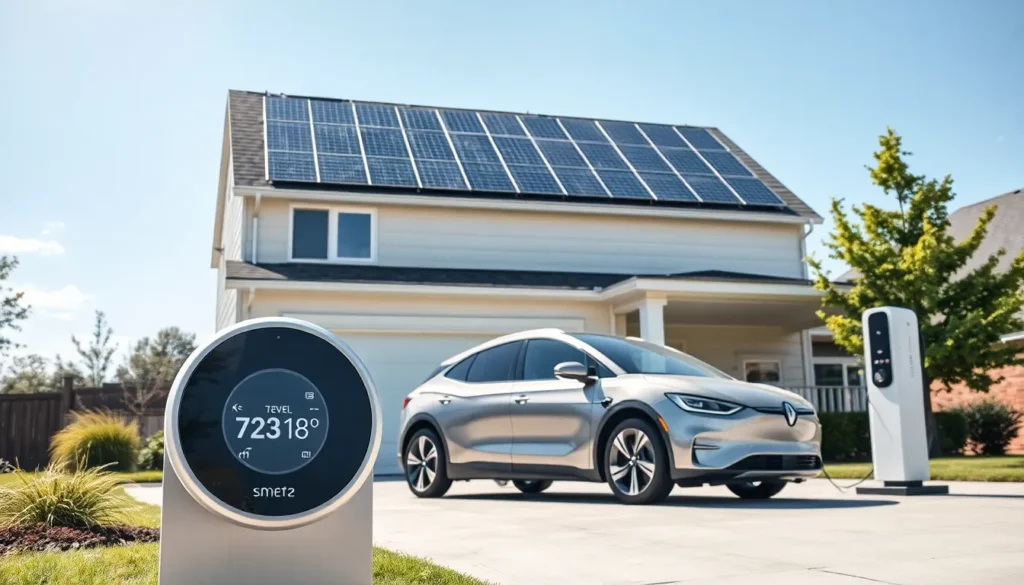
Home charging covers most daily driving needs. A Level 2 charger adds 25 to 30 miles of range per hour. Public fast chargers restore 80% battery capacity in 20 to 40 minutes.
The charging network continues expanding. Over 180,000 public charging ports now operate across the United States.
Other Clean Transport Options
E-bikes offer sustainable technology for shorter trips. They reduce car dependency while providing exercise. Sales grew 240% between 2019 and 2022.
Public transit, carpooling apps, and car-sharing services extend sustainable transportation to those who cannot purchase vehicles.
Smart Home and Energy Efficiency Solutions
Smart home devices represent accessible sustainable technology for any budget. They reduce energy waste through automation and optimization.
Smart Thermostats
Devices like Nest and Ecobee learn household patterns and adjust temperatures automatically. They cut heating and cooling costs by 10% to 15% annually. Most models pay for themselves within two years.
LED Lighting
LED bulbs use 75% less energy than incandescent lights. They last 25 times longer. Smart LED systems add scheduling, dimming, and remote control for additional savings.
Energy Monitoring Systems
Real-time monitors show exactly where electricity goes. Products like Sense and Emporia track individual appliance usage. This data helps identify energy hogs and wasteful habits.
High-Efficiency Appliances
ENERGY STAR certified products meet strict efficiency standards. A certified refrigerator uses 15% less energy than non-certified models. Washing machines with this rating save 5,000 gallons of water annually.
Smart Power Strips
These devices eliminate phantom loads from electronics in standby mode. They automatically cut power to unused devices, saving $100 or more yearly.
The best sustainable technology for homes combines multiple solutions. A smart thermostat plus LED lighting plus efficient appliances creates compound savings. Each upgrade builds on the others.
How to Choose the Right Sustainable Technology
Selecting the best sustainable technology requires matching solutions to specific situations. Several factors guide smart decisions.
Assess Current Usage
Start with an energy audit. Utility companies often provide free assessments. These audits reveal where energy waste occurs and which upgrades offer the biggest returns.
Calculate Return on Investment
Compare upfront costs against long-term savings. Solar panels might cost $20,000 but save $2,000 annually. That equals a 10-year payback period and decades of free electricity afterward.
Factor in available incentives. Federal tax credits, state rebates, and utility programs reduce effective costs significantly.
Consider Lifestyle Fit
The best sustainable technology works with existing routines. Someone who drives 50 miles daily benefits greatly from an EV. A person working from home might prioritize smart home efficiency instead.
Research Product Quality
Not all sustainable technology performs equally. Check warranty terms, manufacturer reputation, and independent reviews. Quality products cost more upfront but last longer and perform better.
Start Small, Scale Up
Beginners can start with low-cost options like LED bulbs and smart power strips. These deliver immediate savings and build confidence for larger investments like solar systems or electric vehicles.
Think Long-Term
Sustainable technology trends favor early adopters. Electricity rates rise while solar costs fall. Gas prices fluctuate while EV charging remains stable. Making changes now locks in savings for years ahead.