





Table of Contents
ToggleVirtual reality has moved from science fiction into everyday life. What once seemed like a distant dream now powers gaming, medical training, education, and business applications worldwide. This technology creates computer-generated environments that users can explore and interact with as if they were physically present. Whether someone straps on a headset for entertainment or professional development, virtual reality offers experiences that flat screens simply cannot match.
This guide covers everything readers need to know about VR technology. It explains how virtual reality works, explores its most popular applications, weighs the benefits against current limitations, and looks at what the future holds. By the end, readers will have a clear understanding of this immersive technology and its growing impact on daily life.
Key Takeaways
- Virtual reality creates fully immersive, computer-generated environments that make users feel physically present in digital spaces.
- VR headsets use high-refresh-rate displays, motion tracking, spatial audio, and haptic feedback to trick the brain into accepting virtual worlds as real.
- Beyond gaming, virtual reality powers medical training, education, healthcare therapy, and real estate tours across multiple industries.
- Key benefits of VR include deeper engagement, safe practice environments for high-stakes training, and accessibility to places users couldn’t physically visit.
- Current limitations include headset costs ($300–$1,000+), motion sickness for some users, and isolation from the physical world during sessions.
- The virtual reality market is expected to exceed $50 billion by 2027, driven by standalone headsets, social VR platforms, and growing enterprise adoption.
What Is Virtual Reality?
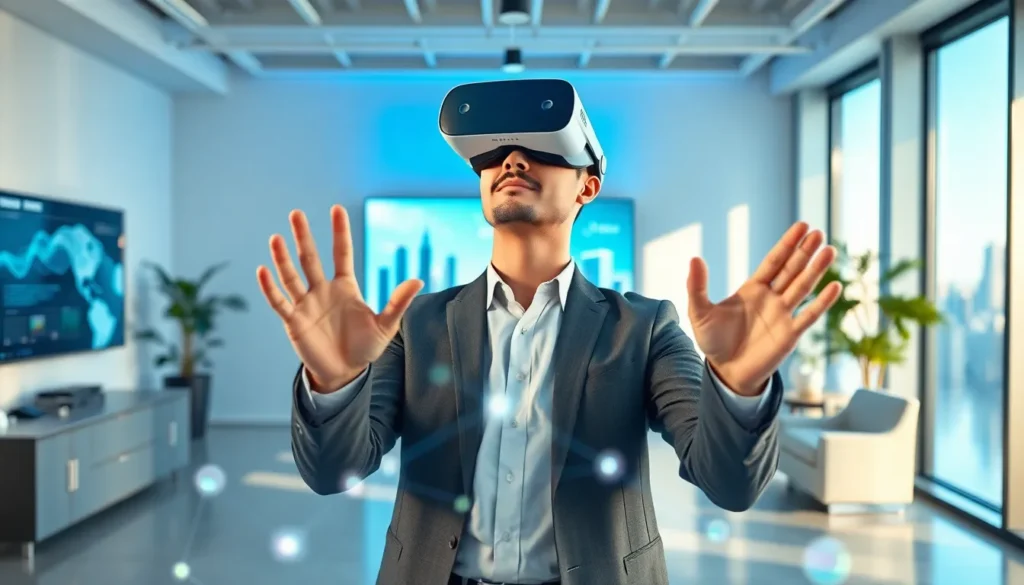
Virtual reality (VR) is a computer-generated simulation that immerses users in a three-dimensional environment. Unlike traditional screens, VR surrounds the viewer with digital content. Users wear headsets that track head movements and adjust the display accordingly. This creates the sensation of being inside the virtual space rather than looking at it from outside.
The core concept behind virtual reality is presence, the feeling of actually being somewhere else. Good VR systems trick the brain into accepting the digital world as real. Users can look around, move through spaces, and often interact with virtual objects using handheld controllers or hand-tracking technology.
VR differs from augmented reality (AR), which overlays digital elements onto the real world. With virtual reality, the physical environment disappears completely. The user sees only what the headset displays. This full immersion makes virtual reality ideal for experiences that benefit from complete focus and engagement.
How Virtual Reality Technology Works
Virtual reality systems combine several technologies to create immersive experiences. Understanding these components helps explain why VR feels so convincing.
Display and Optics
VR headsets contain two small displays, one for each eye. These screens sit just inches from the face, with lenses positioned between them and the eyes. The lenses focus the images and create a wide field of view. Most modern headsets offer between 90 and 120 degrees of horizontal view, which covers a significant portion of human peripheral vision.
The displays refresh rapidly, usually 72 to 120 times per second. This high refresh rate reduces motion blur and prevents the disorienting lag that can cause nausea. Resolution has improved dramatically in recent years. Current headsets deliver sharp images that minimize the “screen door effect” users noticed in earlier models.
Motion Tracking
Head tracking is essential for virtual reality. Sensors in the headset detect rotation and movement. When users turn their heads, the virtual scene updates instantly to match. This synchronization between physical movement and visual response creates the illusion of presence.
Many VR systems also track position in space. Inside-out tracking uses cameras on the headset to map the surrounding room. Outside-in tracking uses external sensors placed around the play area. Both methods allow users to walk around within a defined space while the virtual environment responds accurately.
Audio and Haptics
Spatial audio enhances virtual reality by making sounds appear to come from specific directions. If a virtual character speaks from the left, users hear the voice in their left ear. This audio positioning reinforces the sense of being in a real place.
Haptic feedback adds touch sensations through controllers or gloves. Vibrations and resistance simulate the feeling of grabbing objects or colliding with surfaces. Though current haptic technology remains limited, it adds another layer of realism to virtual reality experiences.
Popular Applications of Virtual Reality
Virtual reality serves many industries beyond gaming. Its ability to simulate real-world scenarios makes it valuable across diverse fields.
Gaming and Entertainment
Gaming remains the most visible use of virtual reality. Players fight enemies, solve puzzles, and explore worlds while physically moving through space. Popular titles like Beat Saber and Half-Life: Alyx showcase what VR gaming can achieve. The entertainment industry has also embraced virtual reality for concerts, sports broadcasts, and interactive movies.
Education and Training
Virtual reality transforms learning by putting students inside their subjects. Medical students practice surgeries on virtual patients. Pilots train in simulated cockpits. Factory workers learn equipment operation without risk of injury. Studies show that VR training improves retention because learners actively participate rather than passively observe.
Healthcare
Beyond training, virtual reality helps patients directly. Therapists use VR to treat phobias through controlled exposure. Pain management programs employ immersive environments to distract patients during procedures. Physical rehabilitation benefits from VR exercises that feel more engaging than traditional therapy.
Real Estate and Architecture
Virtual reality lets buyers tour properties without traveling. Architects show clients buildings before construction begins. These virtual walkthroughs save time and help people make better decisions about major purchases.
Benefits and Limitations of VR
Virtual reality offers clear advantages, but current technology still has drawbacks worth considering.
Key Benefits
Immersion stands out as VR’s greatest strength. Users engage more deeply with virtual content than with flat screens. This engagement improves learning outcomes, makes entertainment more memorable, and creates emotional connections that other media cannot match.
Virtual reality also provides safe practice environments. Surgeons can make mistakes on virtual patients without consequences. Employees can face dangerous workplace scenarios without actual risk. This safety factor makes VR invaluable for high-stakes training.
Accessibility represents another benefit. Virtual reality can transport people to places they could never physically visit. Someone with mobility limitations can climb mountains. Students can explore ancient Rome. Geography no longer limits experience.
Current Limitations
Cost remains a barrier for many users. Quality VR headsets range from $300 to over $1,000. They also require powerful computers for the best experiences, adding to the expense.
Motion sickness affects some users, especially during experiences with artificial locomotion. When visual motion doesn’t match physical sensation, the disconnect can cause nausea. Developers continue working on techniques to reduce this problem.
Isolation concerns exist as well. Virtual reality cuts users off from the physical world. Long sessions can strain eyes and neck muscles. Finding the right balance between immersion and awareness remains an ongoing challenge.
The Future of Virtual Reality
Virtual reality technology continues advancing rapidly. Several trends point toward an even more immersive future.
Hardware improvements arrive each year. Headsets grow lighter and more comfortable. Displays increase in resolution while refresh rates climb higher. Wireless technology eliminates cables that restrict movement. These physical improvements make VR easier to use for extended periods.
Standalone headsets have gained popularity. Devices like the Meta Quest series don’t require external computers. This accessibility brings virtual reality to mainstream audiences who don’t want complicated setups. The market has responded, standalone units now outsell PC-connected models.
Social VR platforms are expanding. Virtual reality spaces let people meet, work, and play together even though physical distance. Some companies have built entire workflows around virtual meetings. As these platforms mature, they may change how remote teams collaborate.
The line between virtual reality and augmented reality is blurring. Passthrough technology lets headsets show the real world with virtual elements overlaid. This mixed reality approach combines the benefits of both technologies. Users can stay aware of their surroundings while still accessing immersive content.
Industry analysts predict continued growth. Virtual reality market size is expected to exceed $50 billion by 2027. Gaming will drive much of this expansion, but enterprise applications are growing fastest. More businesses recognize that VR training and collaboration deliver measurable returns.